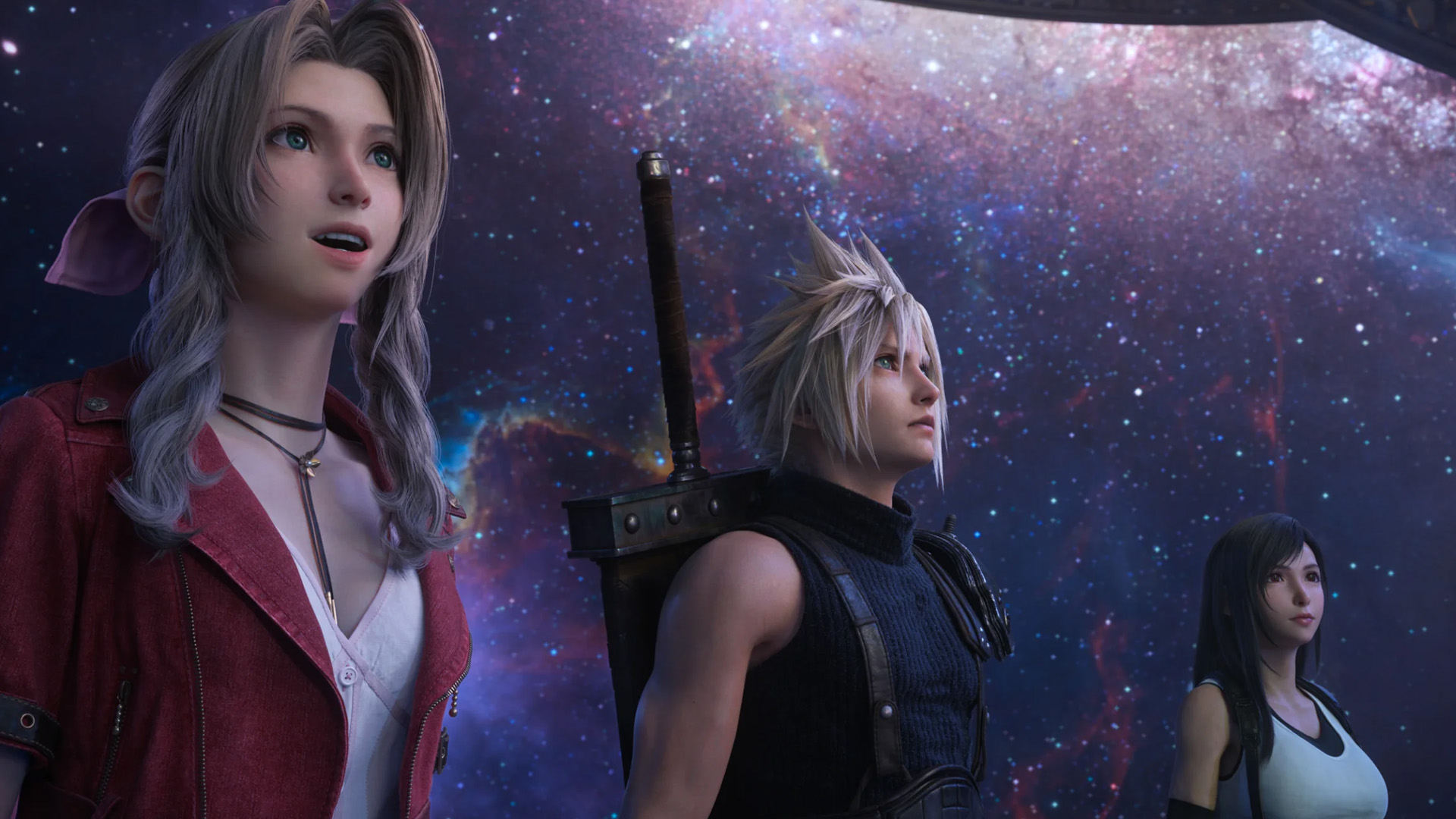
Final Fantasy VII Rebirth revels in nostalgia but is undermined by tedious additions
A personal view by FinalFormatJD posted on Saturday, January 4, 2025
First, let me indulge in a little reminiscing. For months, I read and re-read everything I could about Final Fantasy 7 ahead of its release in 1997. When I finally got my hands on a copy with its double-sized case and multiple discs, it was quite a moment. Despite having pored over every image and word written about the game, how to play it was still a mystery to me. It took a while to understand the mechanics of a style of game I had never played before. Eventually, it became second nature.
The reveal of Remake in 2015 was one of the most exciting moments I’ve experienced watching E3. My favorite game of all time was getting remade by the original architects, with all that the new consoles could offer. Remake didn’t disappoint, although there were some signs that maybe its creators were not thinking along the same wavelength as I was – Roche, as an example brought little to the table.
Little did I know at that time that Rebirth would include an almost comical number of unsubstantial additions by comparison.
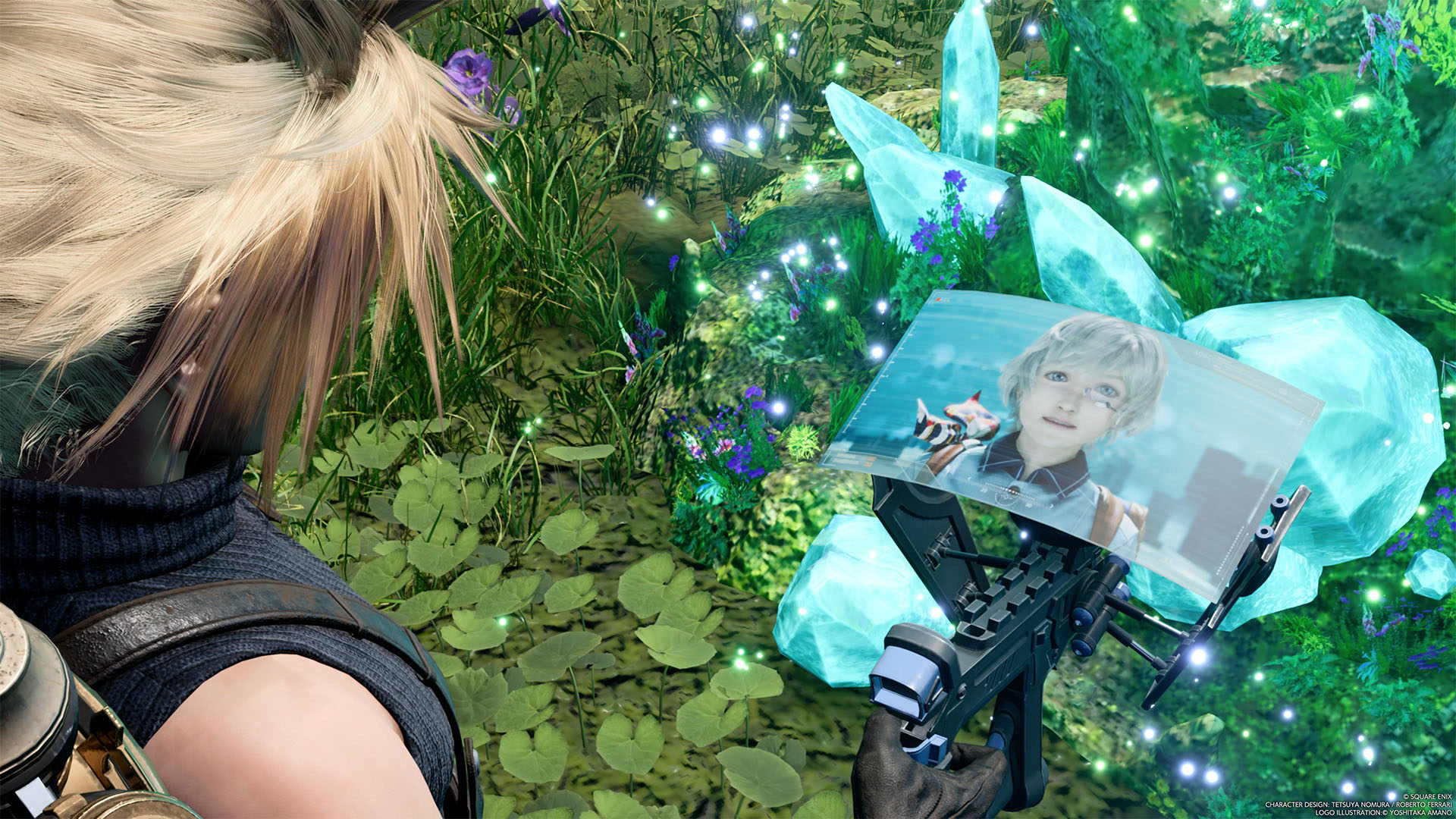
Cloud!
Oh, Chadley! Sorry, I was in the middle of writing this post, could you hold that thought? Thanks.
Lifespring analysis, Remnawave towers, Mog Houses, treasure chest locations, protorelics, and summon crystals all require either scanning, climbing, searching, replaying the same basic mini-game, or completing quicktime events. With the exception of Mog Houses, there are multiple locations for each of these ‘events’ in every major map area, resulting in the same few mechanics being repeated over and over again. These are usually followed by Chadley chiming in with similar lines of dialogue, giving the impression that Hojo tried to create the most irritating cyborg sidekick imaginable.
And then there’s MAI (Monster Assessment Instrument), a female-Chadley AI created by Chadley in his own vision, to make their combined dialogue moments last even longer than the regular interactions. While the lines of dialogue are skippable, the incoming message notification sound will linger in your consciousness like Nokia’s ringtone from the mid-1990s. Not exactly the nostalgia I was looking for.
On the plus side, and it’s a very strong plus, there are some real moments of excellence throughout the game. The story-based interactions between Cloud and his companions are extremely well done. These moments are often emotional, especially for long-time fans, and regularly funny and endearing. The game realizes the potential of the 1997 original in ways that were not possible upon initial release. Where my imagination filled in the blanks in the original, these gaps are nuanced and smartly updated here. It’s clear at every turn how much attention was given to the main locations and to both major and minor interactions among the cast of characters.
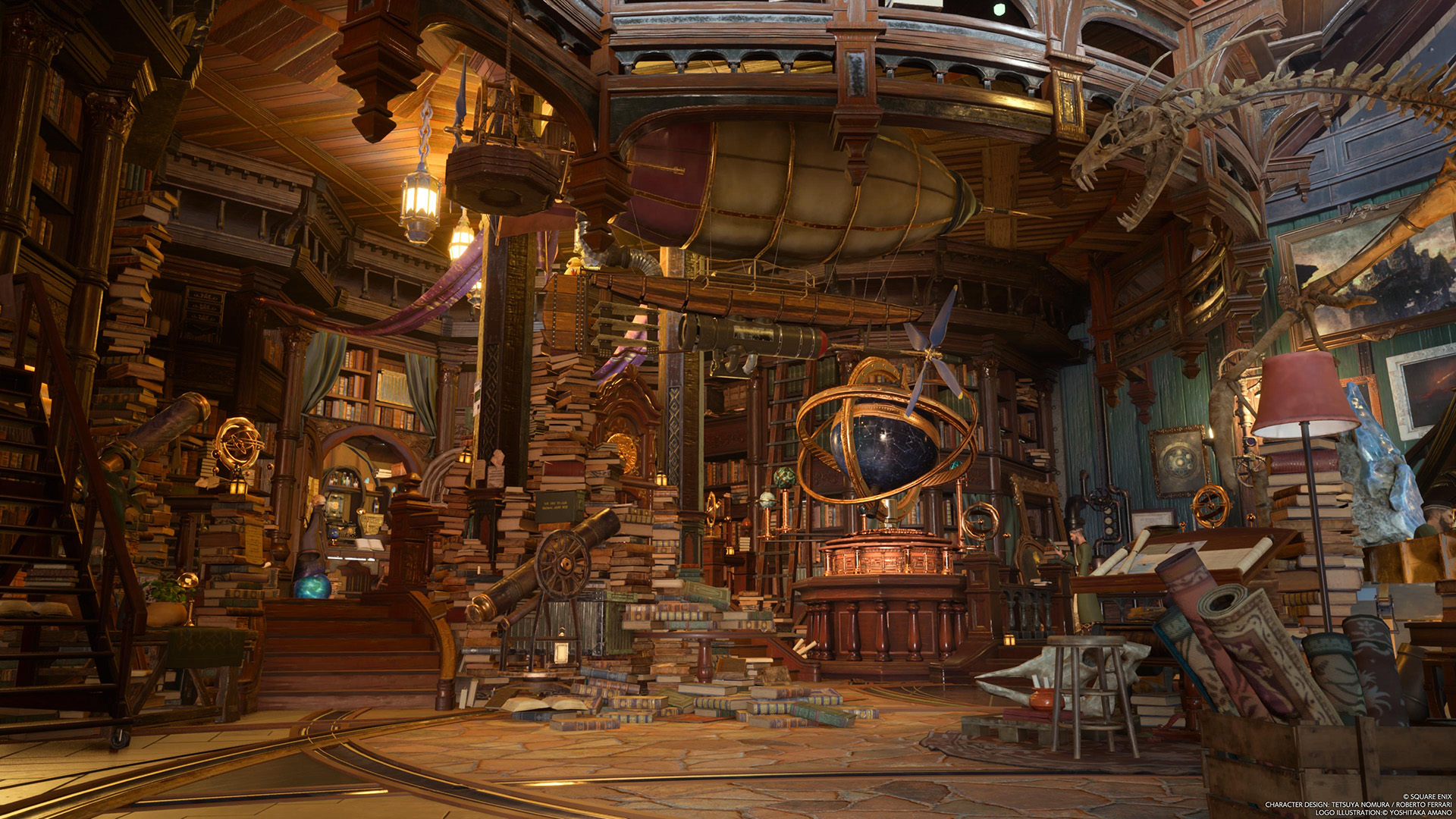
Bugenhagen in Cosmo Canyon
I do think the open world lacks character, and graphically the game struggles with low resolution textures, harsh lighting effects and frame rate issues. Quality mode leaves a lot to be desired on the regular PS5, a frame-rate that targets 30 fps but feels jerky, with quite extreme ghosting depending on what’s in the background of a scene. Performance mode does improve the frame-rate but at too high a high cost to visual fidelity. Things appear to be vastly improved on the PS5 Pro but that is small comfort for anyone who doesn’t want to upgrade at this point in the generation.
When the game stays focused on the story it delivers. I never imagined I would have the chance to play something like this 27 years after I first sat down in my parents’ living room to experience Final Fantasy VII for the first time. The final story sections resonate and provide further intrigue for what will be the next and final entry.
TAGS: Final Fantasy VII Final Fantasy VII Rebirth Final Fantasy VII Remake